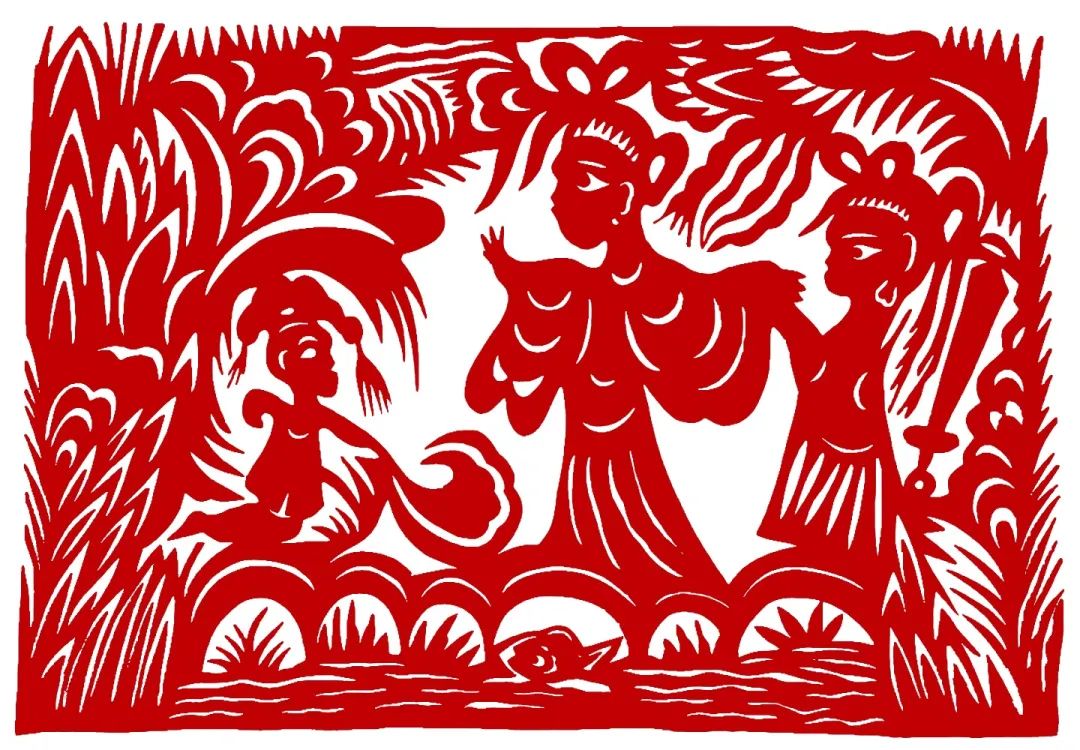
Chinese Paper-cutting
Introduction
Chinese paper-cutting, known as "jianzhi" in Chinese, is a traditional art form that involves meticulously cutting various patterns and shapes from paper using scissors or knives. This folk art holds a significant place in Chinese cultural heritage, celebrated for its rich symbolism, decorative effects and intricate craftsmanship. It is often associated with festive decorations and other folk activities, particularly during significant events such as Spring Festival, weddings and childbirth, where it symbolizes luck and happiness.
Historical Background
Originating in the Southern and Northern Dynasties (420-581), Chinese paper-cutting flourished throughout subsequent dynasties. The art form has historically been practiced by women, particularly in rural areas, who used it to create decorations for windows, beds, rice containers and flour vats. The patterns often reflect themes of good fortune, longevity and prosperity. This rich folk art was traditionally a method of cutting patterns on paper for embroideries but evolved into an independent art form known for its beauty and intricacy.
Techniques and Materials
The primary materials for Chinese paper-cutting are red paper, scissors or knives. Red is the predominant color used because it represents festivity and happiness in Chinese culture. The process involves folding a piece of paper and making precise cuts to create symmetrical patterns. Artists may use either scissors or knives, though scissors are more commonly employed. The patterns can range from simple shapes to complex scenes depicting animals, people and landscapes.
Modern Revival
In recent years, there has been a resurgence of interest in Chinese traditional arts, including paper-cutting, as younger generations seek to reconnect with their cultural heritage. This renewal is partly due to the efforts of paper-cutting artists who have dedicated themselves to preserving and promoting the art form.
Chinese paper-cutting has also gained international recognition and was inscribed on the UNESCO Intangible Cultural Heritage List, thanks to the dedication of numerous artists and the support of local communities. The art form continues to be a vibrant part of cultural festivals and has been integrated into modern design and advertising, exemplified by its use in film posters for Hollywood movies such as "Kung Fu Panda 3" and "Spider-Man: Into the Spider-Verse," which incorporate traditional Chinese elements to appeal to the Chinese market.
In addition to its presence in the arts, Chinese paper cutting serves as an educational tool to teach cultural history and values. Workshops and cultural events centered around paper cutting enable communities to connect with their heritage and pass on traditional knowledge to future generations.
Notable Artists and Contributions
The art of paper-cutting has been passed down through generations, with notable artists emerging from both rural and urban backgrounds. Gao Fengying, a renowned paper-cut master from Shaanxi province, learned the craft from her mother and further developed her skills under the guidance of an experienced artist. She has since won provincial and national awards for her work and has become a prominent figure in promoting the craft.
Gao's efforts to teach paper cutting to local farmers and unemployed rural women have not only preserved the art but also provided economic opportunities for many. Her workshops have become popular, drawing attendees eager to learn this traditional skill and use it to improve their livelihoods. Through her work, Gao has demonstrated that traditional art forms can be both culturally significant and economically viable.
Chang Yangyang, another artist committed to the craft, has successfully competed in national competitions and established a studio dedicated to paper-cutting. His efforts to engage with the public and educate them about the art form have helped raise awareness and appreciation for this traditional Chinese art.








